
Recognizing when additional daily support is needed can feel overwhelming. The decision is rarely prompted by one single moment. Instead, it unfolds gradually through subtle changes in routines, safety, and overall well-being. Understanding the signs that it is time to consider a senior living community can help families move from uncertainty to clarity, allowing everyone involved to plan with intention rather than urgency.
This conversation is not about loss of independence. It is about preserving dignity, comfort, and quality of life while ensuring daily needs are met in a warm, supportive environment.
1. Changes in Daily Routines That Are Hard to Ignore
One of the earliest signs it’s time to consider a senior living community is when it becomes clear that parents need help with everyday activities. Once automatic tasks may start to feel overwhelming. Missed meals, unopened mail, or piles of laundry can signal that daily responsibilities are becoming more challenging to manage alone.
Personal care routines may also change. Clothing may seem unwashed, grooming habits may decline, or the home may no longer feel as orderly as it once did. These shifts are not a reflection of effort or desire. They are often signs that extra structure and support could ease daily stress and restore confidence.
2. Increasing Safety Concerns at Home
Safety is a major factor when considering when to move to a personal care home. Minor incidents may become more frequent, including slips, falls, or difficulty navigating stairs. Even if no serious injury occurs, these moments often create anxiety and fear, leading to reduced mobility and isolation.
Other safety issues may include leaving appliances on, difficulty managing medications, or confusion about time and place. When the home environment becomes unpredictable or risky, it may be time to explore options that offer consistent oversight in a setting designed for comfort and peace of mind.
3. Social Withdrawal and Growing Isolation
Another key sign it is time for senior living is social withdrawal. Friends may be seen less often, hobbies may be abandoned, and days may become increasingly quiet. Isolation can affect emotional well-being just as much as physical health, especially when meaningful connections become harder to maintain.
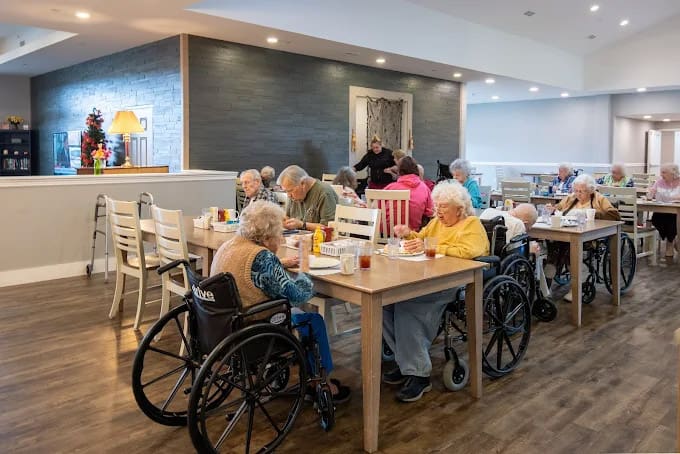
A supportive community offers daily interaction, shared meals, and opportunities for conversation and companionship. These connections can reignite a sense of belonging and purpose, something that is difficult to replicate when living alone.
4. Emotional and Behavioral Changes
Mood changes are often overlooked but can be powerful indicators. Increased irritability, anxiety, or sadness may stem from frustration with daily limitations or fear of being a burden. Loved ones may notice heightened defensiveness when help is offered or when denial of challenges becomes more visible.
These emotional shifts are common and often indicate that the current living situation is no longer sustainable. A home-like environment with familiar routines and trusted caregivers can help restore emotional balance and reduce daily stress.
5. Difficulty Managing Health and Personal Needs
While personal care homes are not medical facilities, they play an important role in supporting daily wellness. Trouble remembering medications, attending appointments, or maintaining a consistent diet can point to the need for additional assistance.
When health-related tasks become unmanageable, families may recognize the signs that it’s time to consider a senior living community for appropriate senior care. Having reliable support with everyday needs can help prevent minor issues from becoming larger concerns, while still allowing residents to maintain independence where possible.
6. Caregiver Burnout and Family Strain
The decision to explore a personal care home is not only about the individual needing support. Family members often carry a significant emotional and physical burden while balancing caregiving with work, family, and personal responsibilities.
Exhaustion, guilt, and constant worry are common signs that the current arrangement may not be sustainable. Choosing a supportive community can strengthen family relationships by shifting the focus from constant caregiving to meaningful time spent together.
7. When Conversations Start to Feel Inevitable
Often, one of the most important signs it is time for senior living for an older adult in your community is the conversation itself. When concerns keep resurfacing, safety plans are repeatedly discussed, or backup plans are constantly needed, it may be time to explore long-term solutions rather than temporary fixes.
Having open, respectful discussions early allows everyone involved to participate in the decision-making process. It creates space for preferences, values, and concerns to be heard, helping the transition feel thoughtful rather than reactive.
A Place Where Comfort, Care, and Family Come Together
Not all care environments are the same. For many families, the priority is finding a setting that feels personal, welcoming, and genuinely supportive. A smaller, home-like atmosphere with consistent caregivers can make a meaningful difference in comfort and adjustment.
The right environment offers structure without feeling institutional, support without sacrificing independence, and care delivered by people who truly know each resident as an individual.
If these signs parents need senior care feel familiar, it may be time to explore a setting designed to support daily life with compassion and respect. The Wynwood House offers a warm, home-like personal care environment where residents are surrounded by caregivers who feel more like family. If you are ready to learn more or begin a conversation about next steps, reach out today to discover how comfort, connection, and personalized support can come together in one welcoming place.