When families begin looking into senior independence support for a parent or loved one, the question underneath the search is usually the same. They want to know if their parent will be safe, but more than that, they want to know if their parent will still feel like themselves. The daily routine matters. The familiar habits matter. The ability to decide how the morning goes, what to eat for lunch, whether to rest or sit outside, all of it is connected to how a person sees themselves and their own life.
What surprises most families, once they see good personal care in action, is that those things can actually be protected. The right senior independence support fills in the parts of the day that have become hard: bathing, dressing, managing medications, getting through the morning safely, and frees up a person’s energy and attention for everything else. When those tasks are handled well and with genuine respect, a lot of older adults find they have more left in the day than they did when they were managing everything on their own.
What Does Senior Independence Support Actually Mean?
Independence for an older adult does not mean the absence of help. For most people, it means having a real say in how the day goes. Getting to choose what to eat. Resting when tired without having to justify it. Spending time with people they enjoy doing the things that still bring them pleasure. Senior independence support is about protecting those choices, not replacing them.
The challenge is that those choices tend to disappear when a person’s energy is consumed by basic daily tasks. By the time a parent has gotten through the harder parts of the morning on their own, there is often very little left for anything else. Personal care done thoughtfully reverses that. The harder tasks get handled, and the day opens back up.
Why Is Staying at Home Not Always the Most Independent Option?
This is worth thinking through carefully, because a lot of families assume that staying home automatically means more independence. Sometimes it does. But when someone is managing an aging home, preparing three meals a day, handling medications, and navigating physical challenges without consistent help, the daily grind tends to shrink their world rather than protect it.
Social connection often goes first. Getting out becomes harder. Friends visit less. Hobbies that require a bit of energy get set aside. Loneliness and isolation build up in ways that affect health and mood over time, and they tend to develop gradually enough that families do not always notice until things have changed quite a bit.
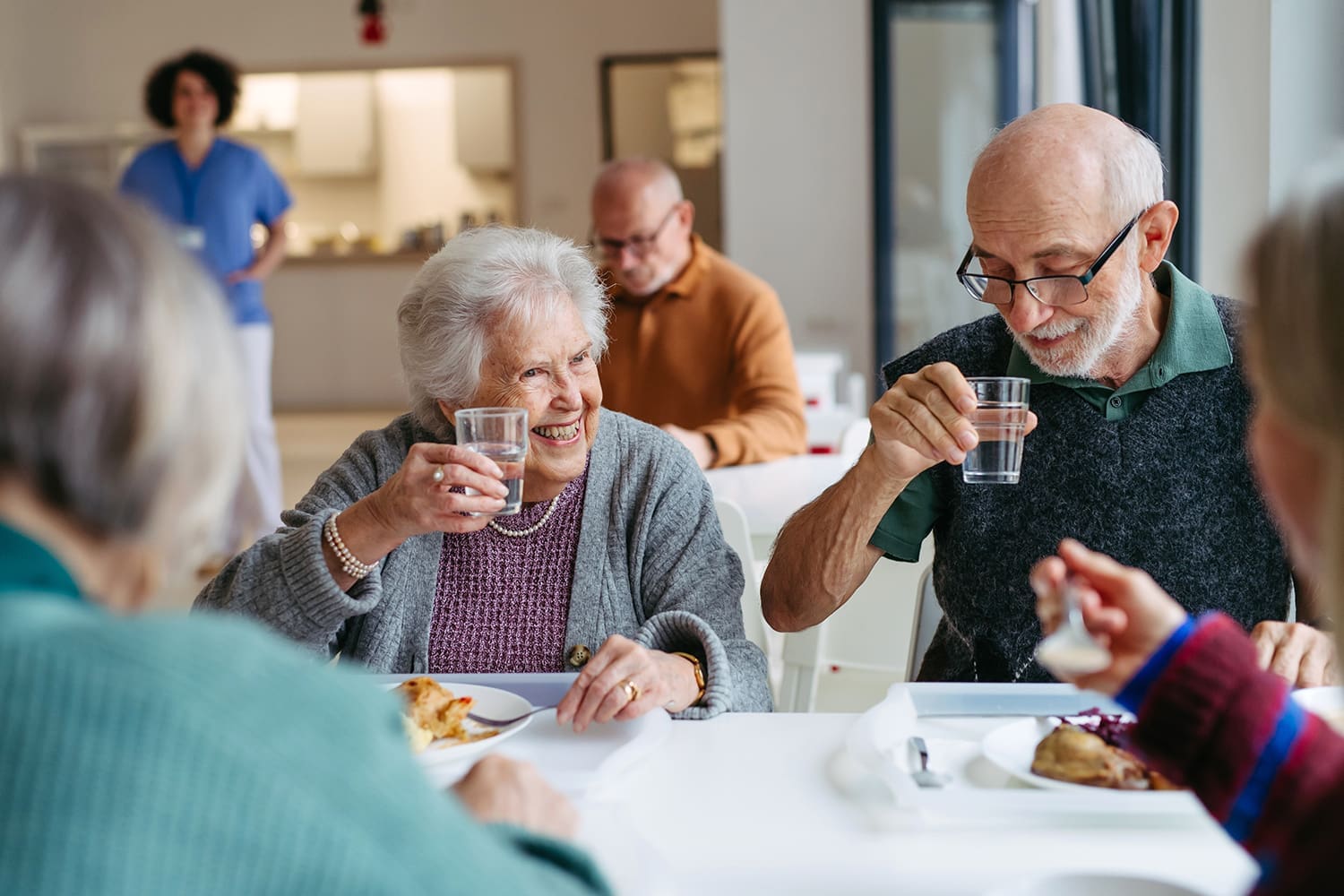
A personal care community built around real relationships and daily engagement addresses that directly. Meals happen around a table with other people. Activities are part of the routine. Staff who have been there long enough to know a resident personally are a daily presence. That kind of environment supports senior independence in ways that living alone increasingly cannot.
How Does Personal Care Help Older Adults Maintain Independent Living?
The thing families notice most after a parent settles into a good personal care home is hard to measure but easy to see. Their parent is more themselves. More relaxed. More willing to engage. Part of that is the relief of not managing everything alone. Part of it is the social environment. And a large part of it is that good personal care is built around the individual, not a one-size-fits-all routine.
Residents receive help with personal hygiene and dressing, medication reminders and oversight, mobility assistance, and daily supervision suited to what each person actually needs. The level of assistance can change over time as needs shift. But the approach stays consistent. Figure out what a person can still do comfortably and support everything else without making a production of it.
Staff who stick around long enough to build real relationships are central to all of it. When a caregiver knows that a resident prefers quiet mornings and does not like to be rushed, care stops feeling like a service being delivered and starts feeling like just how the day goes. Families also tend to find that visits become more meaningful once daily caregiving is no longer their main role. This blog on talking to a parent about personal care can help make that transition feel less overwhelming.
How Does Safety Technology Strengthen Senior Independence Without Invading Privacy?
One concern families bring up regularly is what safety looks like after hours, when staff cannot be in the room at all times. At our communities, part of the answer is a system called Teton. Teton is a small passive sensor installed in a resident’s room. No cameras, no audio recording, and nothing a resident needs to touch, wear, or do anything with. It works quietly in the background around the clock.
What sets Teton apart is that it works proactively. It monitors each resident’s movement and daily patterns over time, and when something starts to shift, it gives our care team advance notice. That early warning is what allows staff to step in and address a concern before a fall ever happens. Most of the time, that is exactly what occurs. There are situations, of course, that cannot always be prevented. When a fall does happen, Teton alerts the care team right away, so staff can respond immediately rather than waiting for a scheduled check-in.
For families, that combination of proactive awareness most of the time, and fast response when an issue occurs, is a meaningful layer of protection. Participation is always voluntary, and privacy remains the priority throughout.
What Should You Look for When Touring a Personal Care Community?
Many of the most telling things on a tour are not on any printed checklist. Watch how staff talk to residents. Are they using names? Moving at the resident’s pace? Notice how the space feels when you walk in. A home-like personal care community should feel lived-in and comfortable, not institutional.
Ask how care plans get updated as needs change. Ask what happens when a resident has a hard night. The answers reveal whether senior independence support is genuinely part of the culture or just a phrase in the brochure.
A look at what a typical day actually looks like at a personal care home can help you know what to ask when you visit. And if you are still working out whether now is even the right time to start looking, these seven signs are a practical place to start that conversation with your family.
Come See What Senior Independence Support Looks Like at The Wynwood House
The Wynwood House is a personal care community with five locations in and around Centre County, Pennsylvania. The staff here genuinely know the people in their care, and that relationship is what makes senior independence support feel different from what most families picture before they visit. If you are ready to see it in person, we would love to show you around.