
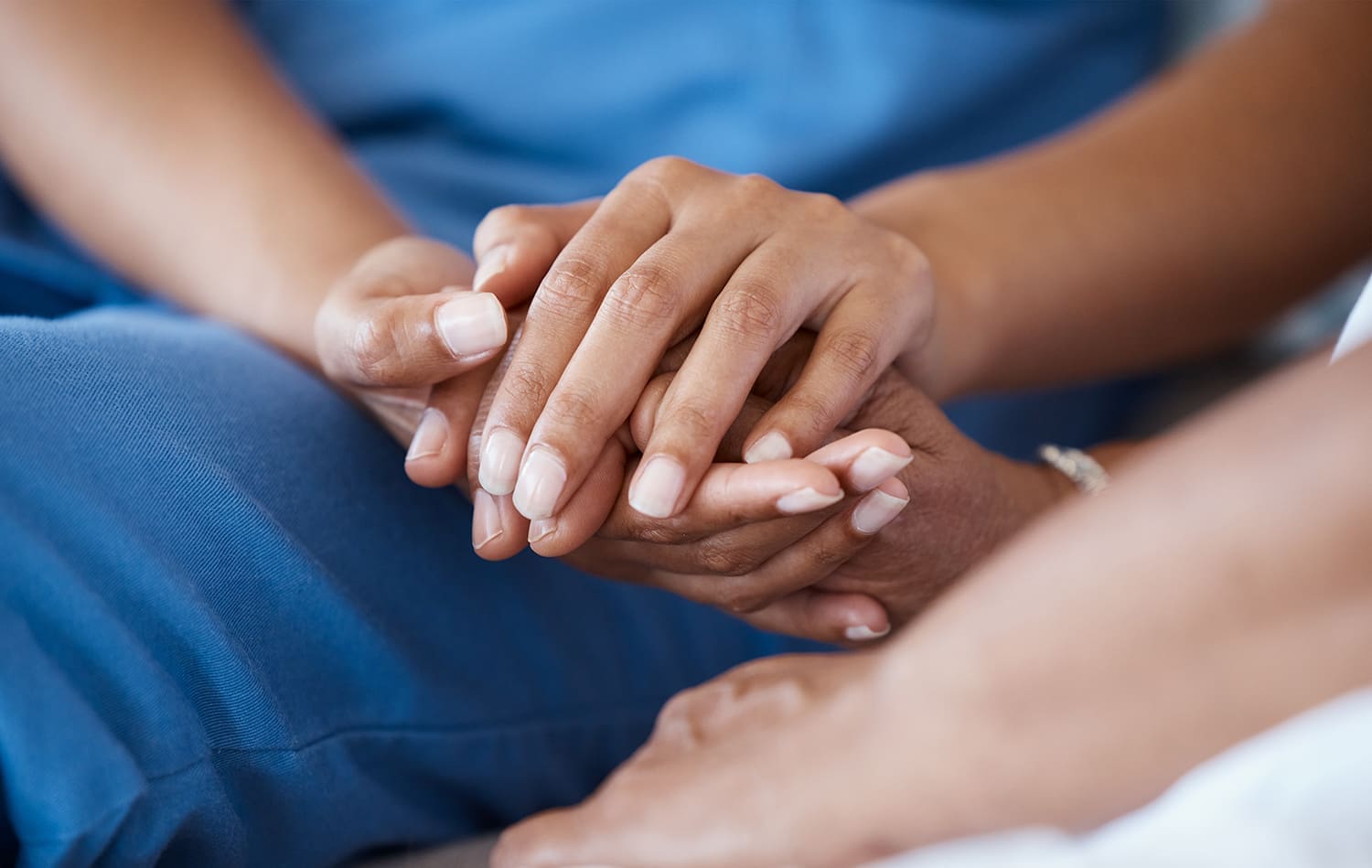
There is a version of daily life in assisted living and in personal care that most families never see until they visit. It looks nothing like a hospital, sounds nothing like a clinic, and it feels nothing like giving something up. However, personal care is often the best choice for those who are capable of managing most of the time but need some help with activities of daily living.
The Wynwood House focuses on providing our residents with top-notch personal care that meets their unique needs when it’s time for them to choose a senior living option. Daily life in personal care, done right, looks like a morning routine that belongs to your loved one. It sounds like laughter at the dinner table. It feels like home.
If you have been wondering what a typical day actually looks like inside a personal care community, this will give you an honest, grounded picture.
What Does a Morning Look Like in a Personal Care Home?
A morning in a personal care home starts gently. There are no alarms going off in hallways. No loud announcements. Just a quiet rhythm that gets the day going at a comfortable pace.
Staff members arrive at each resident’s door the way a caring family member would. They check in, offer a warm greeting, and help with whatever the morning calls for. For some residents, that means help getting dressed and ready for the day. For others, it means a gentle medication reminder and a few minutes of easy conversation before heading to breakfast.
The personal care lifestyle is built around this kind of individual attention. Routines for residents are not rushed. They are designed to feel steady and familiar, because consistency itself is a form of comfort for older adults.
For residents who have experienced memory changes, that morning rhythm becomes even more important. A predictable routine supports cognitive function and reduces confusion. Knowing what comes next, even in small ways, helps people feel grounded.
What Do Residents Do During the Day?
Life inside a personal care community is fuller than most people expect.
After breakfast, the day opens up. Some residents settle into a comfortable chair with a book or the morning news. Others gather in common areas for conversation, crafts, music, or organized activities. The mix varies by location and by personal preference, but the goal is always the same: to make each day feel purposeful and connected.
Social activities are woven into the daily routine because connection is genuinely part of care and support. Isolation affects quality of life more than most families realize. Regular opportunities for social engagement, even small ones, support emotional well-being, cognitive function, and overall daily life satisfaction in ways that go far beyond just keeping people busy.
Activities of daily living are supported throughout the day as well. When a resident needs help with personal hygiene, mobility, or managing daily tasks, staff are available and attentive. But support is offered with discretion. Dignity is always the first priority.
What Does Mealtime Look Like?
Shared meals are one of the most meaningful parts of the personal care lifestyle.
Residents gather in the dining room for breakfast, lunch, and dinner. The setting is relaxed. Conversations happen naturally. Staff members often join in, pulling up a chair, sharing a story, asking about someone’s family.
This matters more than it might sound. Meal preparation was likely something your loved one handled alone at home, sometimes skipping meals or eating poorly because the effort became too great. In a personal care community, that burden is lifted. Three nourishing meals a day are prepared and served to help your loved one stay on track with their nutrition. The dining room becomes a place people actually look forward to again.
There is also something reassuring about knowing your loved one is eating well. It is one of the questions families ask most often, and one of the quiet reliefs they feel once they see it for themselves.
What Happens in the Evening?
The pace slows as the afternoon moves into evening.
Some residents enjoy quiet time in their own rooms. Others gather for television, games, or an after-dinner activity. Staff remain present and attentive throughout. 24-hour care and support means there is always someone nearby, no matter the hour.
For families, this is often the part of the day that used to feel the most uncertain. Evening and overnight hours were the time when worries were loudest. Who is checking on them? What happens if something goes wrong while everyone is asleep?
How Does Overnight Safety Work?
This is the question families rarely feel comfortable asking out loud. But it is one of the most important.
At a quality personal care home, staffing continues through the night. Resident assistants are on duty, checking on residents and remaining available if someone needs help.
And at The Wynwood House, there is an added layer of overnight support that deserves mention. Residents are protected by Teton, a passive in-room safety system that works quietly in the background around the clock. It is not a camera. There is no live video, no audio, and no surveillance of any kind. Teton is a small, discreet sensor installed in each room that monitors movement and behavior locally, without any wearables or devices your loved one has to touch or manage.
When a fall occurs, Teton alerts care staff immediately, so help arrives faster. The system also detects subtle changes in sleep patterns and daily routines before they develop into something larger, giving the care team the ability to adjust a resident’s care plan proactively. Over time, Teton builds a personalized health profile that helps staff provide truly individualized support.
For families, this means you can sleep a little easier knowing that even in the quiet hours, there is an intelligent layer of watchfulness supporting the people who are already watching over your loved one.
Does the Routine Feel Rigid or Flexible?
The routine is almost always flexible. One of the most common concerns families bring to a first tour is whether their loved one will be able to maintain their own preferences and habits. The answer, in a thoughtfully run personal care community, is yes.
Routines for residents exist to provide comfort and structure, not to control. If your parent is a late riser, that is respected. If they have specific preferences regarding meals or personal care, staff members learn those preferences and accommodate them as well as possible. Over time, staff come to know each resident personally, their favorite topics of conversation, the music they like, how they take their coffee.
That relationship, between resident and caregiver, is what makes the difference between a place that feels institutional and one that genuinely feels like home.
What Should Families Look for When Comparing Communities?
When you tour a personal care community, pay attention to the quiet things. Watch how staff speak to residents. Notice whether people look comfortable or anxious. Ask what a typical Tuesday afternoon looks like, not just what is offered on the activity calendar. Ask how overnight care works and how the team communicates with families about day-to-day changes or issues.
The level of care on paper matters. But the feel of daily life is what your loved one will actually live inside. You want to make sure that matches up with your preferences and needs.
See What a Day Really Looks Like at The Wynwood House
The Wynwood House offers personal care across five home-like communities in Centre County, Pennsylvania, including State College, Boalsburg, Centre Hall, and Spring Mills. Each day is built around warmth, consistency, and genuine relationships between residents and the staff who care for them.
If you are ready to see what daily life in personal care really looks like when compared to daily life in assisted living, we would love to show you. Schedule a tour at any of our locations. We look forward to answering the hard questions for you. After all, the best way to know if our community feels right is to walk through the door.